Plan the family outcome, then the legal mechanism. Farm succession involves property, tax, retirement and estate decisions. Use independent professionals before signing or transferring anything.
You're Not Alone
Children build careers, homes and families elsewhere. They may love the farm without wanting the debt, management, physical work or distance that ownership brings. That is increasingly common, and it is nobody's fault.
The Farm Is More Than Land
A family farm can hold work, identity, memory and sacrifice across generations. That emotional weight deserves respect—but it should not force an unwilling heir into a permanent obligation.
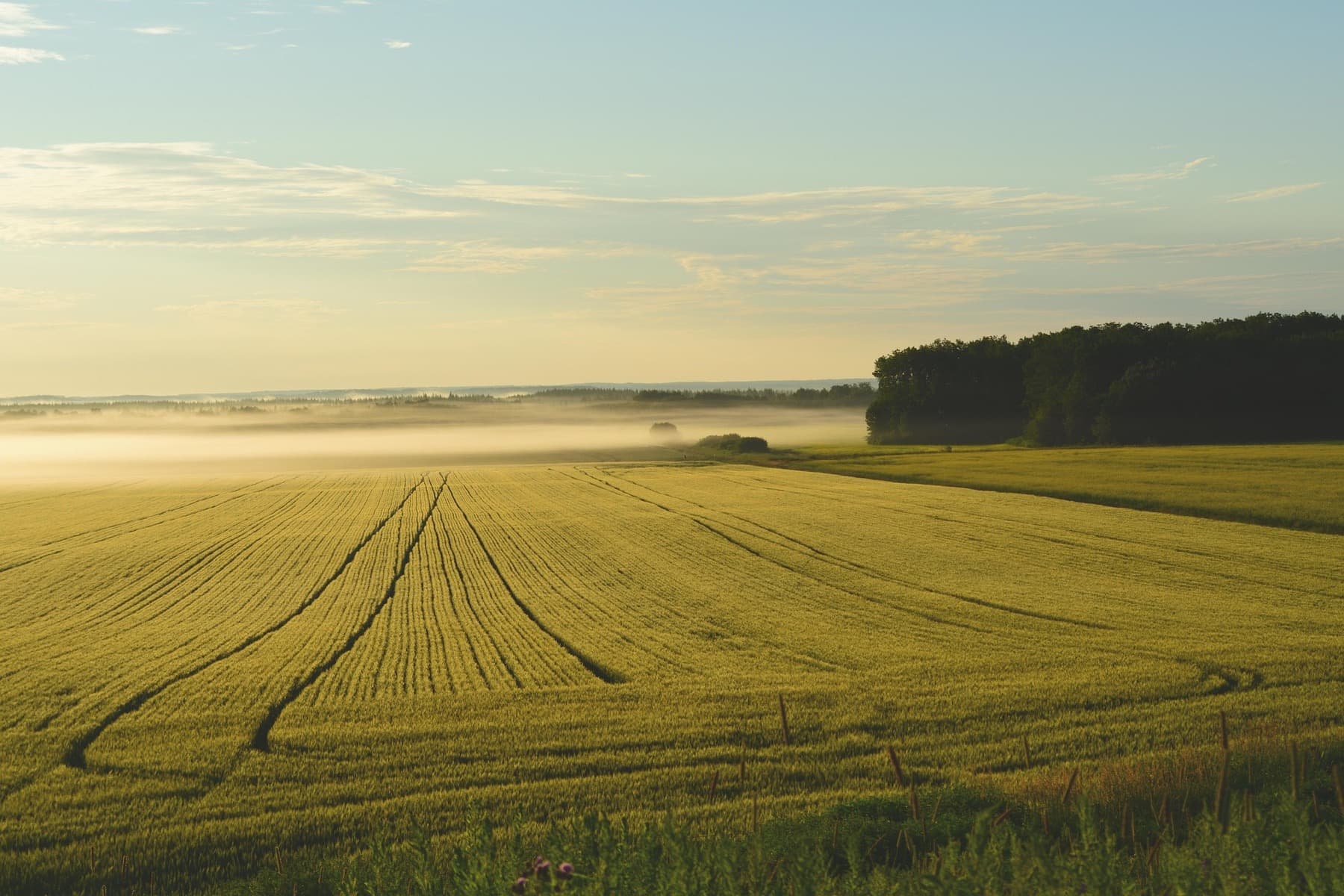
The farm's story can continue even when its next chapter is not written by your children.
Start With a Conversation, Not a Decision
Ask each person separately and together what they actually want—not what they think they are expected to say.
- Does anyone want legal ownership?
- Does anyone want income but not management?
- Would one child farm while others receive different assets?
- Does someone want the woodland but not the buildings?
- Would leasing preserve options?
- Would dividing the property damage access or viability?
Keep It in the Family—Differently
Family continuity does not require every child to become a farmer. One heir might own and operate it; siblings might share ownership with a written agreement; the family might lease to a farmer; or ownership could transfer gradually while you remain involved.
What needs to be explicit
Value, debt, decision rights, work expectations, buyout terms, housing, taxes, repairs and how non-farming children are treated. Informal promises are rarely enough.
Sell All or Part of the Farm
A sale can fund retirement, care, housing or a fair estate and remove a responsibility nobody wants. Possible buyers include a neighbouring farmer, a young producer, a conservation-minded owner or the open market. A partial sale may preserve the home, woodland or another meaningful area where subdivision and access rules allow it.
Selling is not a failure. It can be the most honest and responsible way to protect your wellbeing and prevent conflict.
Give the Land a New Purpose
Land that no longer works as a conventional farm may still support native forest, a nut or seed orchard, agroforestry, wildlife habitat, education, research, a food forest or restoration of abandoned fields. Productive stewardship and conservation are not opposites.
Keep farming
A child, tenant, neighbour or young farmer continues agricultural use.
Protect
Woodland, water, soils and habitat guide the next ownership plan.
Create something new
Restoration, agroforestry, a nut or seed orchard, education or habitat becomes the next chapter.
Simplify the estate
A sale or clear transfer reduces uncertainty for executors and heirs.
Stay undecided for now
A documented interim management plan creates time without neglecting the land.
Leave the Farm Through Your Will
You can retain ownership during your lifetime and plan a later transfer, but do not surprise the intended recipient. Confirm interest, discuss costs and include an alternate beneficiary or sale direction if the first plan cannot proceed.
Our companion guide explains the process in depth: How to Leave Land in Your Will.
Donate or Transfer the Property
A farmer, neighbour, family member, municipality, land trust, community organization or other steward may be suitable. Donation, private gift and sale are legally and financially different, and no recipient is required to accept the property.
Learn how recipient review, retained use and tax questions work in our guide to donating land in Canada.
What If the Farm Is No Longer Really a Farm?
Many former farms are now mostly woodland, brushy fields, old pasture, unused acreage, mixed forest reclaiming cropland or an orchard that has not been tended for years. That does not make the property a failure. It changes the question from preserving an old operating model to discovering what the land can responsibly become next.
These properties may hold real potential for forest restoration, wildlife habitat, native seed production, nut orchards, agroforestry or another productive ecological use that works with the direction the land has already begun to take. Our guide to stewardship of rural land explains how to assess those possibilities without assuming every field should either return to crops or simply be abandoned.
One Family's Possible Path
Imagine a retired couple whose children live in Halifax and Calgary. Neither wants to operate the farm, but both care about the landscape. Instead of forcing a single irreversible answer, the parents lease the workable field, begin restoring a tired woodland edge, explore a small nut orchard and use their estate plan to document what should happen later.
This is not a formula. It shows how income, restoration, time and succession can work together while a family discovers the right long-term outcome.
Could the story continue differently?
Could Little Tree Farm Help?
Little Tree Farm's work with native trees, nursery production, planting and restoration may make some farms or former farms worth a preliminary stewardship conversation. Potential uses could include native forest restoration, seed or nut orchards, habitat, education or long-term rural management.
To be transparent: Little Tree Farm is not presented as a registered charity, qualified donee, land trust or guaranteed recipient. Every property is reviewed individually, and no acceptance, payment, receipt or permanent protection is promised.
Questions Every Farm Family Should Discuss
- Who wants ownership, work or income?
- What do the retiring owners need?
- What does fairness mean to each person?
- Which parts of the land matter most?
- What debt and annual costs exist?
- Could leasing create time?
- Would a partial sale preserve what matters?
- What happens if the first plan fails?
Frequently Asked Questions
What if my children don't want the farm?
Begin with an honest family conversation, then compare family transfer, leasing, sale, partial sale, restoration, donation and estate-planning options. Their decision does not erase the farm's value or your choices.
Should I force a child to take over the farm?
No. Ownership without willingness, skill or capacity can create resentment and poor outcomes. A voluntary, well-supported transition is more durable.
Can one child receive the farm while the others receive money?
Estate equalization may be possible using other assets, insurance, staged payments or another structure. A lawyer, accountant and financial planner should model fairness and affordability.
Should I sell the family farm?
A sale can be responsible when no successor wants ownership or when you need proceeds. Consider timing, tax, housing, retirement, family expectations and whether selling part could meet the need.
Can I donate farmland?
Sometimes, if a suitable organization is willing and able to accept it. Active use, buildings, leases, title, access and long-term costs all matter.
Can farmland become forest?
Yes, where ecologically and legally appropriate. Natural regeneration or planned native-tree restoration can rebuild woodland, but soils, drainage, neighbouring uses and long-term care should guide the plan.
Can abandoned farmland be restored?
Often. Restoration may include controlling invasives, protecting water, planting native species, allowing natural regeneration or developing agroforestry. A site assessment should come first.
Could Little Tree Farm accept a farm?
Possibly, after individual review. Little Tree Farm does not accept every property and does not promise purchase, transfer, protection or a charitable receipt.
Can I leave the farm through my will?
Yes, but speak with the intended recipient before finalizing the will and include a legally prepared alternate plan if that recipient cannot or will not accept later.
When should farm succession planning begin?
Ideally years before a transfer. Time makes family conversations, tax planning, retirement, training, financing and alternate plans more manageable.
What if my children live far away?
Distance may make daily management unrealistic even when they care deeply. Leasing, local management, sale, transfer or a different stewardship arrangement may fit better.
Can I sell only part of the farm?
Possibly, subject to municipal rules, access, surveys, subdivision approval, farm viability and tax. Professional review is essential.
Can I lease the farm instead of selling?
Yes. Leasing can preserve ownership and agricultural use while providing income, but the agreement should clearly allocate maintenance, improvements, insurance and stewardship responsibilities.
What happens to farm buildings during restoration?
Their condition, safety, heritage value and future use should be assessed individually. Some may be reused; others may require stabilization or removal.
Is it selfish to sell a family farm?
No. A responsible decision should reflect your wellbeing, finances, family and the land's realistic future—not guilt alone.
Could a nut orchard or seed orchard replace conventional farming?
It may be one productive option on suitable land, but establishment takes site knowledge, capital, time and long-term management. It is not a universal replacement.
How do we avoid resentment among children?
Discuss willingness, value, fairness and expectations openly; document decisions; use independent professional advice; and avoid treating equal value and identical assets as the same thing.
Do we need a lawyer for farm succession?
Yes. Farm transitions involve title, wills, tax, family rights, debt, leases and business arrangements that require province-specific advice.
Would Little Tree Farm be suitable for every farm?
No. Some properties will fit a farmer, neighbour, land trust, municipality, community group, ordinary buyer or another organization better.
What is the first step?
Have a family conversation before choosing a mechanism. Ask who wants ownership, who wants involvement, what you need financially and what future matters most.
The story does not have to end
Make room for an honest family answer.
A clear conversation now can protect relationships, your retirement and the future of the land.
Important: This article is general educational information, not legal, tax, estate, valuation or financial advice. Little Tree Farm does not guarantee acceptance, purchase, management or protection of any property.