Ulmus americana
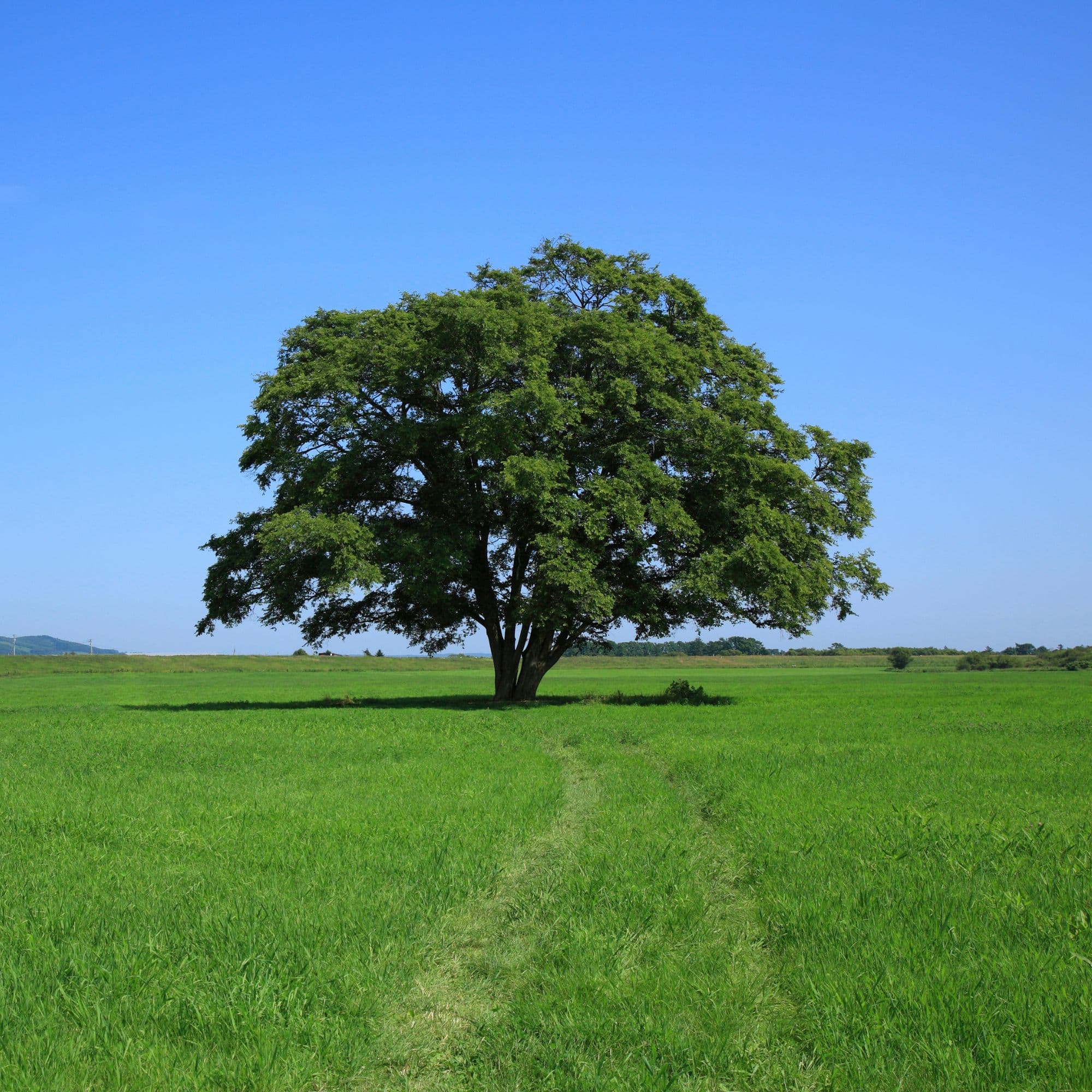
The American Elm (Ulmus americana) is one of North America’s most iconic native shade trees, admired for its towering height, graceful vase-shaped form, and broad, arching canopy.
Mature American elms can reach 60–80 feet tall, with exceptional specimens exceeding 100 feet. Their sweeping branches can form canopies more than 50 feet wide, creating the classic umbrella-like shade that once made elm-lined streets a defining feature of towns and cities across North America.
Adaptable, fast-growing, and remarkably hardy, the American elm performs well across a wide range of soils and climates. It is an excellent choice for large landscapes, homesteads, parks, restoration projects, riparian areas, and naturalized plantings.
Why Grow American Elm?
- •Iconic North American native tree with a beautiful vase-shaped canopy
- •Fast-growing hardwood, often adding 2–3 feet of growth per year in favorable conditions
- •Provides exceptional long-term shade for large yards, fields, driveways, and public spaces
- •Tolerates many urban conditions, including compacted soil, road salt, and air pollution
- •Adaptable to sand, loam, and clay soils
- •Handles periods of occasional flooding and becomes increasingly drought tolerant once established
- •Provides valuable habitat for birds, pollinators, insects, and other wildlife
- •Suitable for restoration projects, riparian plantings, and naturalized landscapes
- •Extremely cold hardy and well suited to much of Canada, including Nova Scotia
Growth & Planting Information
USDA Hardiness Zones: 2–9 Sunlight: Full sun to partial shade, with best growth in full sun Preferred Soil: Moist, well-drained loam, although highly adaptable Soil Types: Sand, loam, and clay Preferred pH: 6.0–7.5 Recommended Spacing: 25–40 feet apart for long-term landscape or restoration planting Mature Height: 60–80 feet, occasionally exceeding 100 feet Growth Rate: Fast, approximately 2–3 feet per year under favorable conditions
A Tree Woven Into North American History
Few trees are as closely connected with the historic North American landscape as the American elm.
For generations, elms were planted along streets, sidewalks, town squares, parks, farms, and community gathering places. Their naturally arching branches often met above roads, creating spectacular green tunnels and shaded avenues.
The tree became especially valued in towns and cities because of its combination of rapid growth, enormous canopy, attractive shape, and adaptability to urban conditions.
Its graceful architecture remains one of the reasons the American elm continues to be planted today.
Ecological & Wildlife Value
Beyond its beauty, the American elm plays an important ecological role.
Its large canopy and dense branching structure provide shelter, nesting sites, and habitat for birds and insects, while its presence contributes to the biodiversity and structural complexity of forests, riverbanks, restoration areas, and natural landscapes.
American elm can be particularly valuable in:
- •Native restoration projects
- •Wildlife habitat plantings
- •Riparian and streamside areas
- •Large-scale naturalized landscapes
- •Farm and homestead shelter plantings
- •Long-term shade tree projects
Planting American elm can therefore contribute not only to the beauty of a landscape, but also to the restoration of native ecological systems.
Dutch Elm Disease & the American Elm
The greatest historical threat to the American elm has been Dutch Elm Disease (DED).
Dutch Elm Disease is a fungal disease primarily spread by elm bark beetles and, in some situations, through connections between the root systems of nearby elm trees.
Since its spread across North America during the 20th century, DED has dramatically reduced American elm populations in many regions.
Common Symptoms of Dutch Elm Disease
- •Wilting or curling leaves
- •Yellowing foliage
- •Premature leaf drop
- •Browning branches
- •Dark streaking within infected wood
- •Progressive decline of branches and canopy
Severe infections can eventually result in the death of the tree.
A More Hopeful Future for the American Elm
Despite the historic impact of Dutch Elm Disease, the future of the American elm is increasingly promising.
Researchers, universities, conservation organizations, nurseries, and breeding programs continue to identify and propagate trees showing improved resistance or tolerance to DED.
By selecting naturally resilient American elms and developing improved genetic lines, these programs are helping restore the species to landscapes where it once flourished.
Many modern seed sources may therefore offer improved Dutch Elm Disease tolerance compared with historic populations, although seedlings should not be considered completely immune unless they come from a specifically identified resistant cultivar or breeding line.
Conservation of the American Elm
Conservation efforts are taking place on several fronts.
Disease-Resistant Genetics
Researchers continue identifying individual American elms that have survived in areas heavily affected by Dutch Elm Disease. Trees displaying natural tolerance can become valuable genetic sources for future generations.
Selective breeding and propagation allow these traits to be introduced into new populations.
Replanting Programs
Municipalities, conservation organizations, landowners, and environmental groups are once again planting American elms in:
- •Urban landscapes
- •Parks
- •Restoration areas
- •River corridors
- •Rural properties
- •Native forests
These plantings help rebuild populations while preserving the ecological and cultural importance of the species.
Community Participation
Landowners can also contribute to American elm conservation.
Planting genetically diverse trees, caring for young specimens, monitoring for disease, and participating in restoration initiatives all help strengthen future elm populations.
Every healthy American elm planted today becomes part of the broader effort to return this extraordinary tree to the North American landscape.
Why American Elm Is Still Worth Planting
The American elm combines qualities few large trees can match:
Majestic form. Fast growth. Deep shade. Cold hardiness. Wildlife value. Landscape history.
For anyone with enough room to allow the tree to reach its full potential, the American elm can become a defining feature of the property.
It is especially suited to:
- •Large residential properties
- •Farms and homesteads
- •Driveways and long entrances
- •Parks and open spaces
- •Streamside and riparian restoration
- •Native habitat projects
- •Naturalized landscapes
- •Long-term legacy planting
Plant an American elm in the right location, and it may eventually become far more than another tree in the landscape.
It can become the landscape.
 In Stock