 In Stock
Arrowwood Viburnum
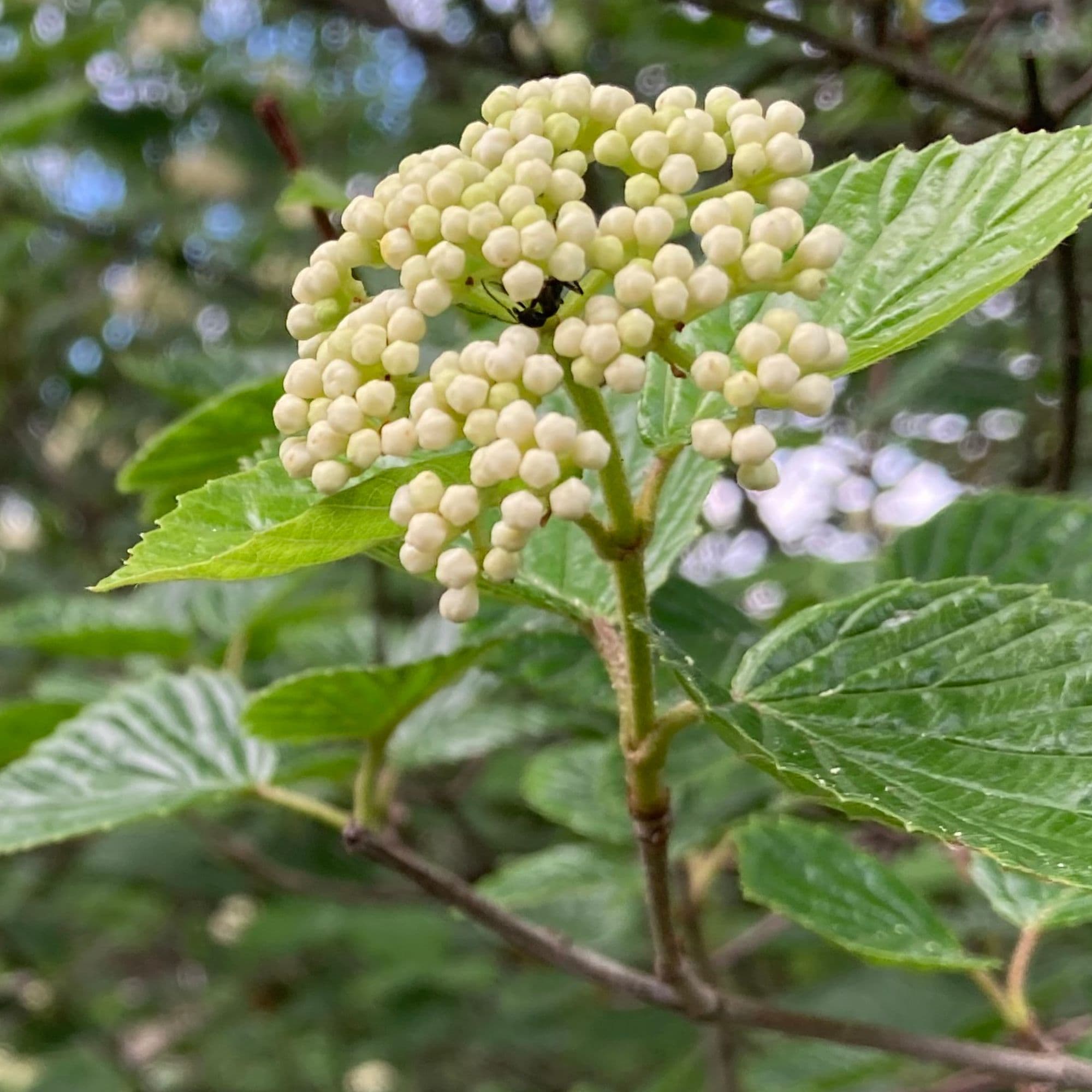
Arrowwood Viburnum SIZES: Sizes Explained A Grade (Pot-Ready): Start in a pot or nursery bed for one season before transplanting. B Grade (Pot-Ready): Less roots or smaller than A grade. Start in a pot or nursery bed for one season before transplanting. Also known as arrowwood, and Viburnum Dentatum. This canadian native shrub is a must-have for any garden enthusiast. Its flat heads of flowers gracefully bloom in late spring, adding a burst of creamy white to your landscape. Hardy to zone 2a. A real cold hardy plant. Hardiness Zone : Zones 2a-8 , making it suitable for a wide range of climates, especially those with cold winters. Soil Type : Arrowwood Viburnum thrives in various soil types, including clay, loamy, and sandy soils. It prefers moist, well-draining soil but can tolerate wet conditions. It’s also drought-tolerant once established. Height and Spread : Reaching a mature height of 6-10 feet and a width of 6-8 feet, this shrub has a dense, rounded growth habit, making it an excellent choice for hedges or privacy screens. Flowering Time : The Arrowwood Viburnum produces clusters of creamy white, fragrant flowers in late spring to early summer, typically around May to June. Fruit : In late summer to early fall, the shrub bears small, blue-black berries (about 1/4 inch in diameter) that persist into winter. The fruit is edible but typically used for jams and preserves, as it can be somewhat tart when raw. The berries ripen in September and are a popular food source for birds and wildlife. Foliage : The dense, dark green leaves turn brilliant shades of yellow, red, or purple in the fall, offering stunning seasonal color. Growth Habits : Arrowwood Viburnum grows in full sun to partial shade, making it highly adaptable to different light conditions. It’s a low-maintenance plant that requires minimal pruning, though light shaping after flowering can help maintain its structure. Uses : Ideal for use in borders, foundation plantings, hedges, and wildlife gardens. Its strong root system also makes it an excellent choice for erosion control on slopes or unstable ground. Care Requirements : Water regularly during the first year to establish deep roots, and mulch to retain moisture. Afterward, it is quite drought-tolerant and requires minimal care. Fertilizing in the spring can encourage more vigorous growth and flowering. Attracting Wildlife Arrowwood is not just visually appealing; it’s also beneficial for local wildlife. The edible berries are snapped up by birds and other animals very quickly. it's even hard to see the fruits they are gone so quickly. A real bird attracting plant. Perfect for Your Garden As a compact garden shrub, arrowwood adds character to any space. With its showy hair-like clusters of blooms and lush foliage. This North American native is perfect for enhancing your garden’s beauty. Choose one today!